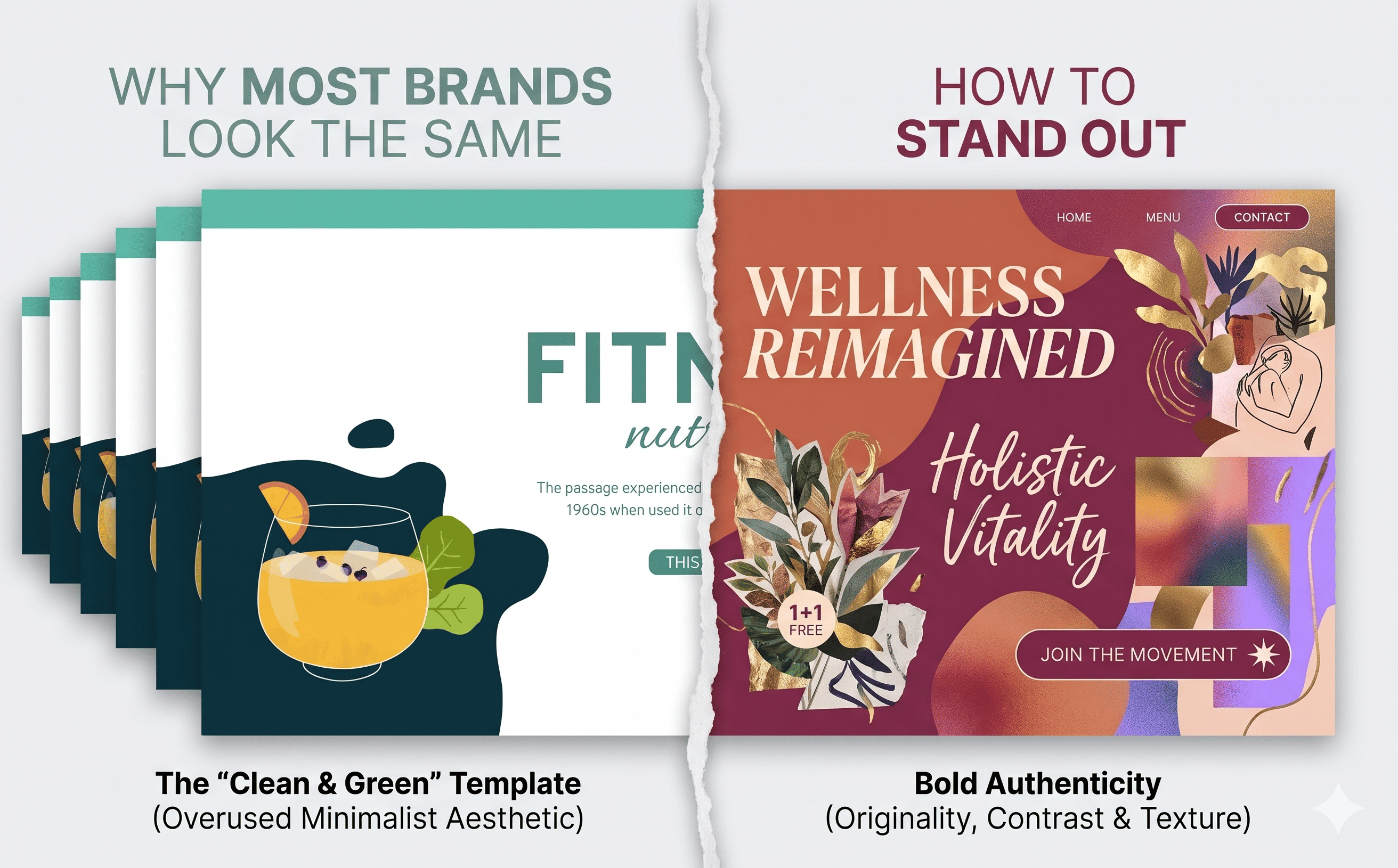
Hospitality branding is the way a cafe, supper club or restaurant looks, sounds, feels and behaves at every point a guest meets it, from the first Instagram post to the last line on the receipt. For an independent venue, it is the difference between a place people walk past and a place people talk about.
A logo is only the doorway. This guide explains what cafes, supper clubs and restaurants need beyond a logo, using two London projects we have worked on: Rosetta, a design-led coffee shop, and Freudian Bites, a monthly supper club.
Hospitality branding is the strategy and creative system that shapes how a food or drink venue is perceived and remembered. It covers the idea behind the venue, the name, the visual identity, the tone of voice, the menu, the space and the digital presence, all working together as one experience.
In most industries, branding sits on top of the product. In hospitality, the guest steps inside the brand. They sit in it, eat in it, photograph it and judge it before the first sip. That is why restaurant branding, cafe branding and bar branding are really one discipline: designing a consistent experience that guests can recognise and repeat.
For independent venues, the stakes are different from a hotel group or a chain. You have no marketing department, no national advertising and no second chance at a first impression. A clear brand does that work for you.
A logo is one mark. A brand is the whole impression. Many independent venues commission a logo, hang a sign and wonder why nothing feels connected. The gap is usually the layers between the logo and the guest.
When these layers agree, a guest can recognise your venue from a photo, a menu or a single sentence. When they disagree, the venue feels generic, however good the logo is.
Brand identity design is the visual layer of this system. Branding is the larger job of deciding what the venue stands for and then expressing it consistently. You can see how we approach both on our brand and identity services page.
Here are the eight building blocks of a strong restaurant brand identity, in the order we usually work through them.
Start with three answers: who is this for, what makes it different, and what should guests feel? A coffee shop for remote workers and a supper club for art lovers need different brands, even if both serve good food. Strategy also defines your brand personality, such as warm, playful, refined or irreverent, which guides every later choice.
A name sets expectations before anyone walks in. A short, true story behind it gives staff and guests something to repeat. For a new venue, naming and story are the cheapest places to stand out.
This is the part most people call branding. A hospitality visual identity usually includes:
Colour and typography do emotional work in hospitality. Warm, earthy tones and elegant serifs suggest craft and tradition. Bold colour and quirky type suggest play and experimentation. Choose deliberately, then stay consistent.
Your brand voice is how the venue sounds on a menu, a chalkboard, an email and a caption. Decide whether you are friendly, dry, poetic or direct, and write a few example lines. Consistent wording makes a small venue feel established.
The menu is the most-read piece of design in any venue. Good menu design is part of the brand, not an afterthought. It guides choices, tells your story and sets the pace of the meal. Cards, flyers, coasters, receipts and event posters should all look like they came from the same place.
Guests experience a hospitality brand physically. Signage, takeaway cups and bags, staff aprons, lighting and even the weight of the menu paper all carry the brand into the room.
Most guests meet you online first. Your website, booking flow and social profiles should look and sound like the venue. A well-built site and a clear social presence turn a pretty identity into bookings. Our brand and digital services cover website design and social media alongside identity work.
The last layer is human. How staff greet guests, explain dishes and say goodbye should match the brand personality. A playful brand with stiff service feels false. Write simple service principles so the team can live the brand, not just wear it.

Rosetta is a new, design-led coffee shop in the heart of London. The brief started with a logo. Once we understood the atmosphere the owners wanted to create, it grew into a full brand identity, supported by website design and social media management.
What we did
What the result shows
The logo became a cornerstone of the brand and helped Rosetta gain recognition among London coffee lovers. The owners told us it captured the essence of the brand and landed well with customers.
Lessons for any cafe or coffee shop
If you are planning a cafe or coffee shop, this is the kind of project we take on. See how brand identity design for hospitality works at Curious Brand.

Freudian Bites is a supper club series hosted by curator Huma Kabakcı on the last Thursday of every month. A guest artist and a chef collaborate on four playful small plates, and the evening is a gathering of eight built around food, art and conversation.
A supper club is a different brand problem from a cafe. The venue changes, the guests change and the theme changes every month. The brand has to stay recognisable while feeling new each time.
What we did
What the result shows
The identity helps Freudian Bites feel like a cultural venue for exchange, somewhere between a casual dinner and an art installation. New assets for each event keep the series fresh while the community of artists and diners grows around it.
Lessons for supper clubs, pop-ups and event-led venues
See more of our hospitality and wellness work, including BASI Pilates, where we built a brand across identity, website and social.
The building blocks stay the same, but the emphasis shifts with the type of venue.
If your venue sits between two of these, such as a cafe by day and a wine bar by night, design the brand so it can flex. A flexible identity system is better than two separate looks.
Use this list to check whether your venue has a brand or just a logo.
If you tick fewer than seven, the brand needs more than a logo.
A strong brand only works if guests can find it. For independent venues, discovery happens in a few places, and each one should match your brand.
Branding and SEO work best together. Brand gives people a reason to choose you; SEO makes sure they find you first. If you want both handled as one plan, see our SEO service.
There is no standard price. The cost depends on scope: a logo only, a full identity, a menu system, a website, signage, and packaging are very different jobs. Timelines follow the same logic. A focused identity takes weeks, while a full brand with website and collateral takes longer.
What moves the budget most:
The best way to get an accurate number is to share your venue type, opening date and the touchpoints you need, then ask for a scoped proposal.
You can browse our full portfolio, read about our team or see the services we offer.
Hospitality branding is the strategy, identity and experience that define how a cafe, restaurant, bar or supper club is perceived. It includes the name, logo, colours, tone of voice, menus, space and digital presence.
A logo is one mark. Branding is the full system around it: positioning, visual identity, voice, menus, space and service. A logo identifies you; a brand makes you memorable.
A logo, colour palette, typography, imagery style, tone of voice, menu design, signage and packaging, plus brand guidelines that keep them consistent.
Start with who the shop is for and what feeling it should create. Then design a logo and identity that work on cups, signage, social media and your website. The Rosetta coffee shop project shows how a logo can grow into a full identity.
Build a flexible identity system rather than one fixed look, so each event feels fresh but recognisable. Treat the menu and event collateral as part of the brand. See how we did this for Freudian Bites.
A short rulebook covering logo use, colours, type, imagery and tone of voice. It helps staff, designers and printers keep every menu, post and sign consistent.
It depends on scope. A focused identity can take a few weeks; a full brand with website, menus and signage takes longer. Share your opening date early so the plan works backwards from it.
Indirectly, yes. Consistent names, descriptions and visuals across your website, Google listing and social profiles make you easier to recognise and trust. A memorable brand also earns more searches and reviews. Pair it with a proper SEO strategy for best results.
Consider a refresh when the venue has changed (new menu, new audience, new space), when your materials no longer match each other, or when the brand no longer reflects the quality of what you serve.
Independent venues win by being specific. A clear idea, a consistent look, a voice that sounds like you and a menu that tells your story do more than any single logo can. Rosetta shows how a coffee shop logo can grow into a full identity. Freudian Bites shows how a flexible system can keep a monthly supper club fresh.
Planning a cafe, supper club or restaurant? Talk to Curious Brand about your venue, explore our brand, digital and social services, or browse more recent work.