Most brands that feel tired do not need a new name, a new logo and a new everything. They need a brand refresh: a considered update that keeps what people already recognise and fixes what has quietly stopped working.
The tricky part is knowing which one you are dealing with. Rebrand too early and you throw away years of hard-won recognition. Refresh too late and you are patching a brand that no longer fits the business it represents. This guide covers the clear signs your brand needs a refresh, how that differs from a full rebrand, and how to decide before you spend a penny.
If you have ever typed "is my brand overdue for a refresh" or "should I refresh my brand" into Google, this is the checklist to work through.
A brand refresh updates how your brand looks, sounds and shows up, while keeping its core identity, name and positioning intact. A rebrand changes the foundations: who you are, who you serve, what you stand for, and usually the name and visual identity along with it. Put simply, a refresh evolves the brand and a rebrand replaces it.
People search for this in many ways: "rebranding vs brand refresh", "difference between rebranding and brand refresh", "brand refresh or rebrand" and "brand refresh vs full rebrand". They all point to the same question, so here is the short answer.
A brand redesign or visual identity refresh sits on the lighter end of this scale. A brand strategy refresh goes a step deeper, revisiting your messaging and positioning without throwing out the identity. Neither is the same as new branding built from scratch.
If several of these sound familiar, it is probably time for a brand refresh. These are the main brand refresh indicators we see, and they work as a quick checklist for how to know when to refresh your brand.
Typography, colour palettes and imagery all carry a date stamp. A logo built for print in the early 2000s, a glossy gradient, or stock photography that feels like a decade ago all signal "outdated" before anyone reads a word. This is the most common reason brands search for a visual identity refresh, and often the easiest to fix.
Services grow, audiences shift and specialisms sharpen. If your brand message still describes the business you were five years ago, you have a gap between promise and reality. When the core business is the same but the story has moved on, that is a messaging and positioning refresh, not a rebrand.
A logo that is unreadable as a favicon, a social avatar or an app icon is a practical problem. Modern brands need flexible systems: a primary logo, a simplified mark, and versions that hold up at small sizes and on dark backgrounds. A digital brand refresh often starts here.
The website says one thing, the proposal template another, and social media a third. Over time, different people add their own fonts, colours and tone. Inconsistent branding weakens trust and makes you look smaller than you are. A refresh gives you a tighter system, along with brand guidelines everyone can actually follow.
If your category has modernised and you now blend in, or worse, look older than the competition, you pay for it in perception. A refresh sharpens your point of difference without changing who you are. Audit the top five competitors in your sector side by side and be honest about where you sit.
A website brand refresh is one of the best triggers there is. If the site is due a rebuild, refresh the identity first so you are not designing a modern site around a tired brand. Many businesses combine the two in a single web design and brand refresh package, which saves time and keeps everything consistent from launch.
Brand refresh is not only visual. If your copy sounds stiff, jargon-heavy or like three different writers, a brand voice refresh will help. This matters in professional services, where firms often look near-identical, and in B2B, where clear, human messaging is a real differentiator.
If enquiries are low quality, sales conversations keep starting with "so what exactly do you do?", or you are targeting a new customer segment, your brand may be sending mixed signals. Often the strategy is fine and the expression of it needs work.
When staff avoid the old templates, apologise for the website, or quietly build their own slide decks, your brand has lost internal confidence. That affects pitches, recruitment and culture. Employees are the first people to notice when a brand is overdue for a refresh.
Three or more "no" answers suggest it is time for a brand refresh.
A refresh has limits. Choose a full rebrand when the problem sits in the foundations rather than the surface:
A simple test helps: if customers would still recognise you after the changes, it is a refresh. If you want them to see a different company altogether, it is a rebrand.
Bear in mind that bold changes can backfire. Cracker Barrel's 2025 logo overhaul drew such a strong reaction that the company reverted to its old design, and Jaguar's 2024 rebrand sparked fierce debate. Both are reminders that recognition is an asset, and that the people who know your brand best have strong feelings about it.
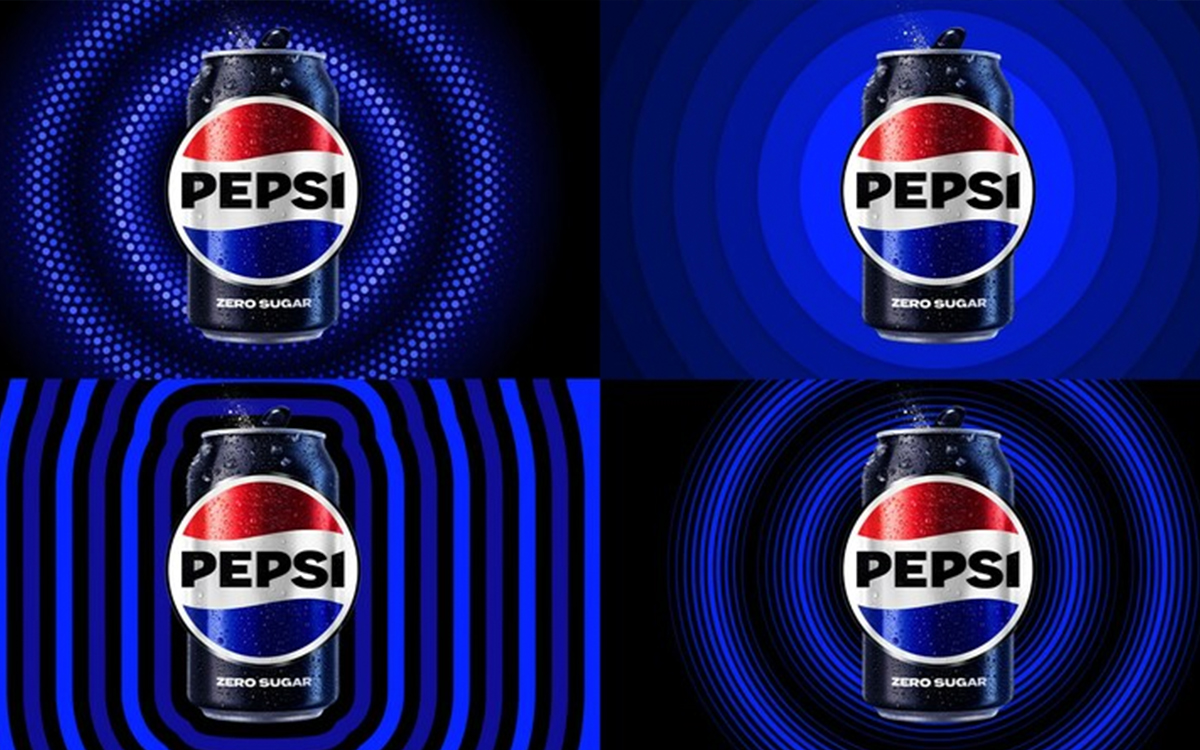
The reverse is also true. Plenty of established names have updated their identities while keeping a recognisable core. If you are searching for "best brand refreshes" or "successful brand refresh examples", you will see the same pattern: evolve the familiar parts, and modernise everything around them.
A good brand refresh process is structured and calm. Here is how to approach a brand refresh without losing customer trust.
The answer depends on scope. A focused visual refresh for a small business can take a matter of weeks, while a larger brand refresh covering strategy, identity, website and rollout can run for a few months. Planning, approvals and the number of touchpoints are what stretch the timeline.
Brand refresh cost varies widely with the size of the organisation, the depth of research and how many applications are involved. As a rule it costs less than a full rebrand because you are building on existing assets rather than replacing them. A reputable agency will scope the work against your goals and give you a fixed proposal.
There is no fixed rule, but many brands review their identity every five to ten years, with smaller tweaks in between. Treat it as ongoing maintenance rather than a one-off event, and let business change and market shifts trigger the review rather than the calendar alone.
Smaller updates can be handled in-house. But if your brand spans several channels, serves multiple audiences or needs strategic repositioning, a brand refresh agency or consultant brings an outside view, research discipline and a cohesive creative system. Look for strategy-led brand refresh services with real case studies in your sector, whether that is B2B, professional services, hospitality, healthcare or charity.
A brand refresh is a strategic update to the look, voice and messaging of an existing brand. The name, core values and market position stay the same. The aim is to keep the brand relevant, consistent and competitive without starting from scratch.
Typically a brand audit, updated logo and colour palette, typography, imagery style, tone of voice, brand guidelines, refreshed website and marketing templates, and a rollout plan. The elements depend on your objectives.
It keeps your brand credible and aligned with how the business operates today. It protects existing recognition, supports growth and helps you compete with newer brands, at lower risk than a full rebrand.
No. A refresh evolves what exists, while a rebrand reinvents it. See the comparison table above for the main differences.
Yes, and that is the point. Keep the elements people recognise, such as a core colour, a distinctive shape or the name, and change the parts that feel dated. Communicate the change clearly, and roll it out in a planned way.
Often, yes. For a small or local business, a refresh can be the most cost-effective way to look more established, win higher-value clients and prepare for a new website or service launch.
The process is the same, but the emphasis differs. Professional services and legal firms often need a clearer point of difference in a crowded market. Hospitality and restaurant brands lean on atmosphere and imagery. Healthcare and charity brands need warmth and trust. B2B and SaaS brands need clear messaging and credibility. A good brand refresh consultant adapts the approach to your audience.
Clear objectives, a respect for existing equity, consistent application and internal buy-in. A successful brand refresh is one customers barely notice as a change but feel as an improvement.
A brand that feels slightly off is usually a brand that needs care, not demolition. If your identity looks dated, your message has drifted or your touchpoints no longer match, a refresh can bring everything back in line while keeping the recognition you have already earned.
At Curious Brand, a London branding agency, we help businesses work out whether they need a refresh or a rebrand, then deliver whichever one fits, from brand strategy and visual identity to website design and rollout. If you are not sure which camp you fall into, get in touch and we will tell you honestly.